3D scanning & renderings
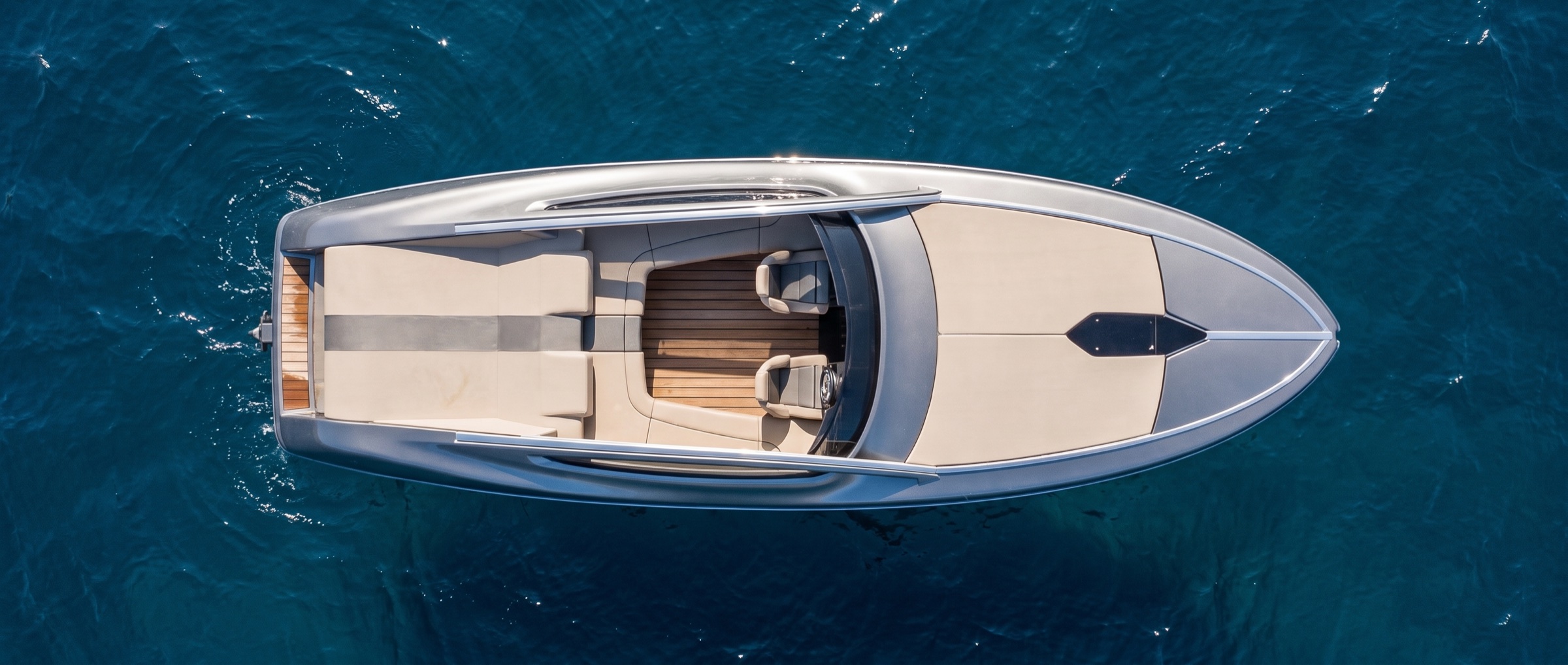
We capture your actual deck in three dimensions, turn it into a CAD model, and send you a photoreal rendering of the finished job. You approve the picture. Then we cut the foam.
Why templates and kits come up short
Two boats off the same production line are rarely identical. Hulls flex, hardware gets moved, previous owners drill things. A pattern traced on cardboard carries every one of those small errors into the finished panel — and foam has no forgiveness at the seam.
A scan records the deck as it exists today, including the curve you can't see and the hatch that sits 3/8" off center. That's the file we cut from.
Traced by hand, distorts with humidity, one shot to get it right.
Digital, repeatable, archived — recut it in five years without re-measuring.
Trimmed on site with a razor. Gaps at the edges, visible filler pieces.
Edges land on the actual line of your deck, first time, every panel.
You find out what it looks like after the adhesive is down.
You see a rendering of the finished deck first and can change anything.
From your slip to a cut file
Walkthrough
We look at the deck with you, note problem areas, and talk through what you want covered.
Capture
Handheld 3D scanner sweeps every surface, corner, drain and hatch into a point cloud.
CAD build
Back at the shop the mesh becomes clean vector geometry — panel splits, radii, cutouts.
Rendering
You get images of your own boat in your chosen colors and pattern. Revise as needed.
Release to cut
Approved file goes to the CNC router. Nothing is milled before you sign off.
A rendering you can actually judge
Not a swatch on a website — your boat, your layout, your colors, drawn from the scan of your own deck. Renderings are yours to keep and share with a partner, a captain or a broker.
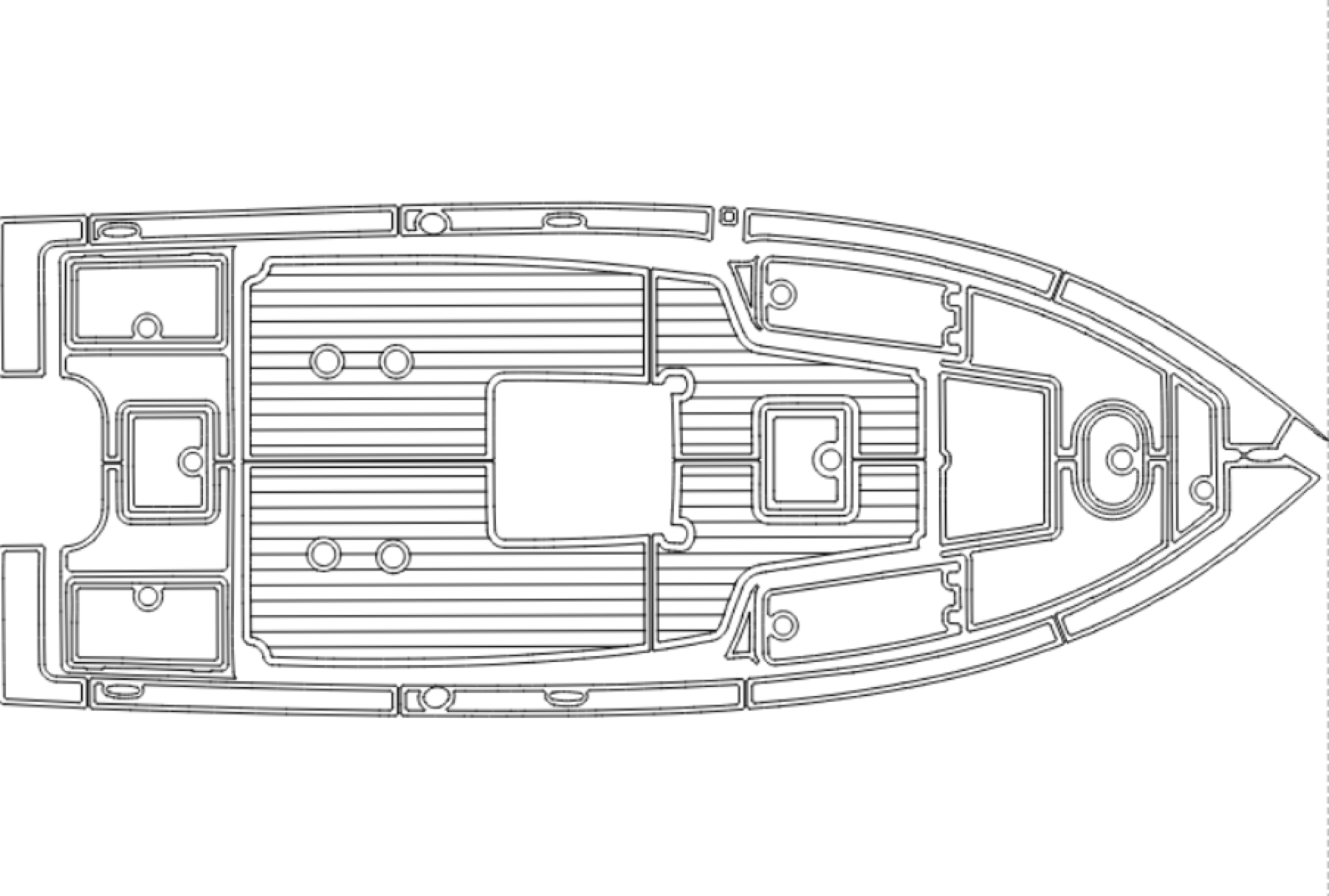
Overhead layout view
The whole deck flat-on, so you can see how the planking runs and where the seams fall.
Top-down, 2D for now
We're not producing 3D perspective renderings at the moment. What you'll approve is the overhead 2D view of your deck.
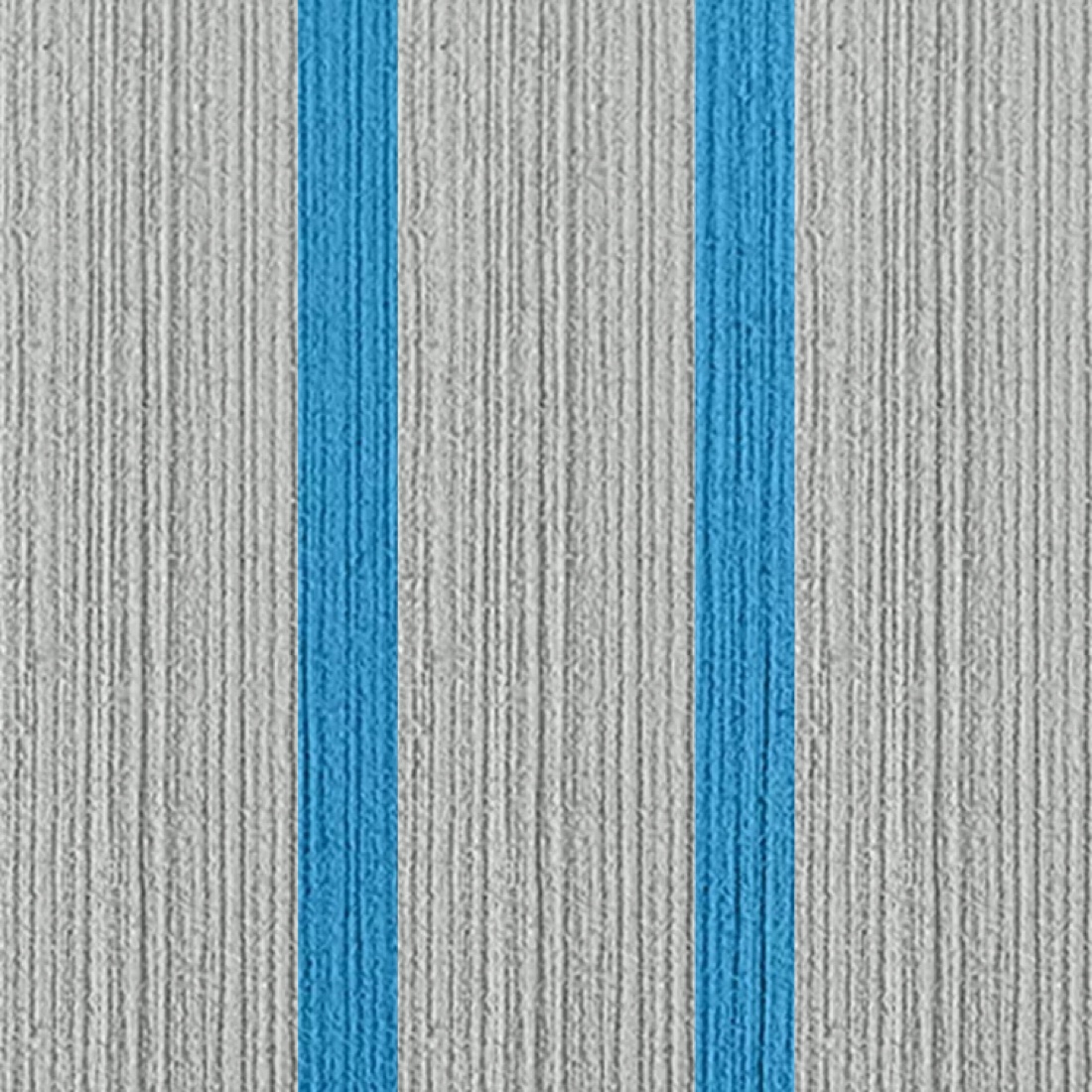
Color & pattern callouts
Exact material names on the drawing, so there's no ambiguity about what gets cut.
Your file on record
Add a cooler top next season or replace a damaged panel — no second scan needed.
The practical details
Everything owners ask before booking a scan day.
At your slip, in dry storage, at the dealership, or at our shop. We travel throughout Miami-Dade, Broward and Palm Beach.
Clear the deck of gear, coolers and lines. A rinsed, dry surface scans best. That's it.
Overcast is ideal, but we scan in full sun regularly. Heavy rain gets rescheduled.
The scan is included when you move forward with a decking project. Scan-and-rendering-only engagements are quoted separately.
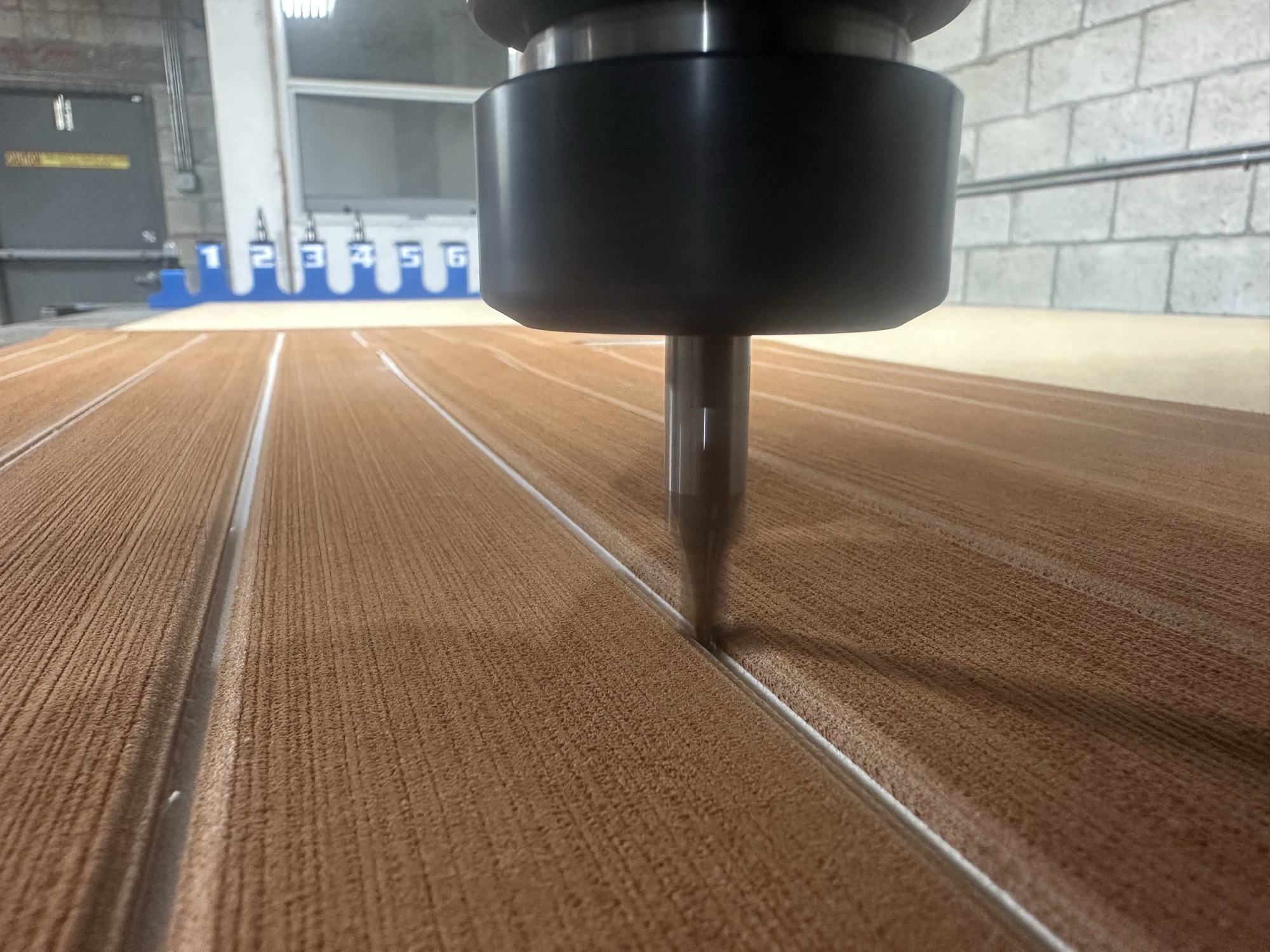
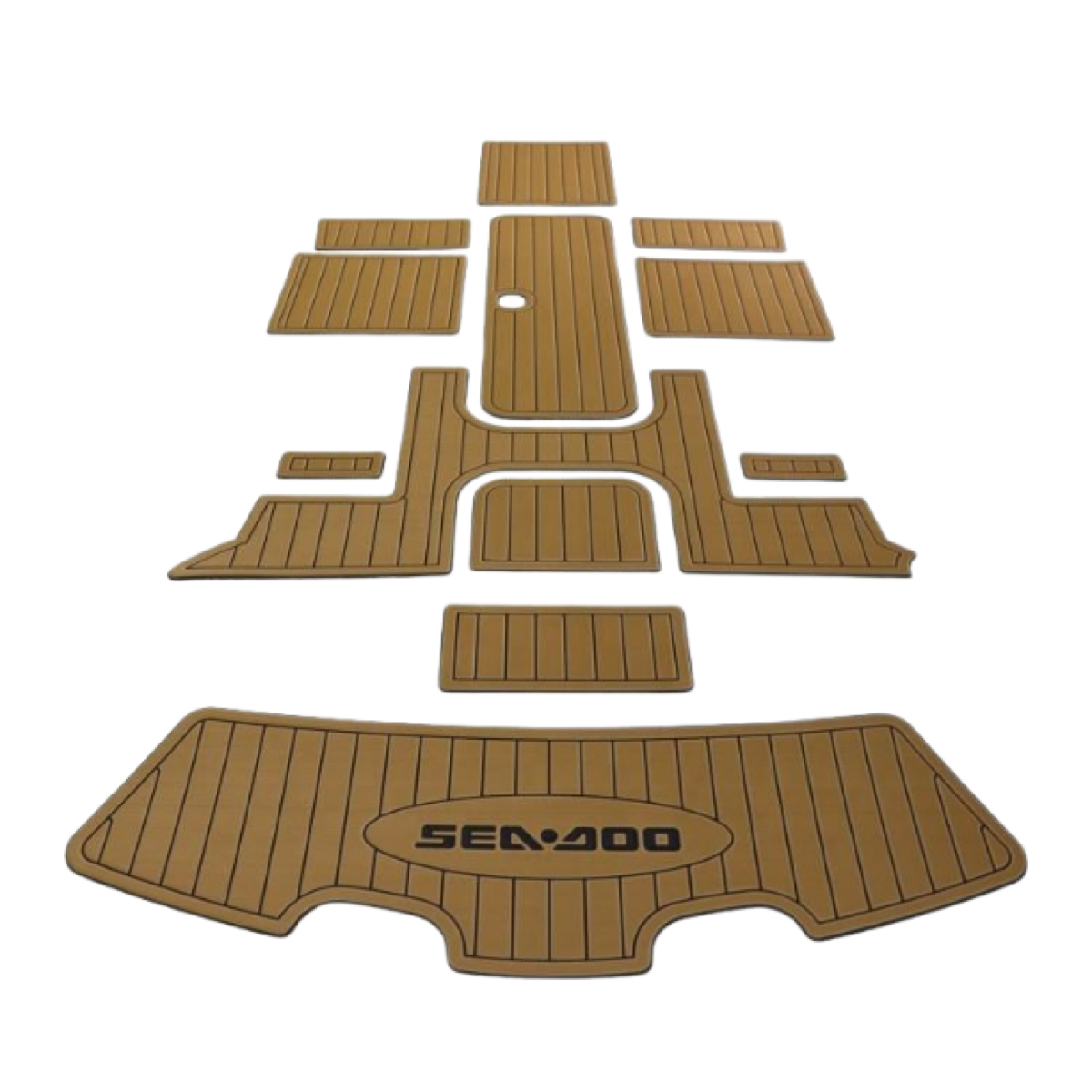
The router doesn't improvise. It cuts exactly the file you approved.
Do I need to be there for the scan?
It helps for the first fifteen minutes so we can talk through what you want covered, but you're welcome to leave us to it after that.
Can I change the design after seeing the rendering?
Yes, within reason. We talk through how you want it to look before we draw anything, then you get the rendering. From there you can ask for one major change and one minor one — we'll walk you through exactly what that covers in person and again with your estimate.
Can you scan something that isn't a boat?
Yes — Jeep tubs, truck beds, cooler lids, dock sections, custom furniture. If it holds still, we can capture it.
Do I own the scan data?
We keep your file on record so future work is fast and consistent. If you want a copy of the geometry, ask and we'll talk about it.
I'm out of state. Can you still help?
We can work from detailed measurements or from scan data you already have, then ship finished panels. On-site scanning stays within South Florida.